Cupping Therapy in Oakville


Cupping therapy is a traditional treatment used in several cultures and is now sometimes incorporated into physiotherapy, sports rehabilitation, and integrative care. During treatment, cups create controlled suction on the skin. Research suggests cupping may help reduce some types of musculoskeletal pain, although evidence remains limited and results vary between individuals.
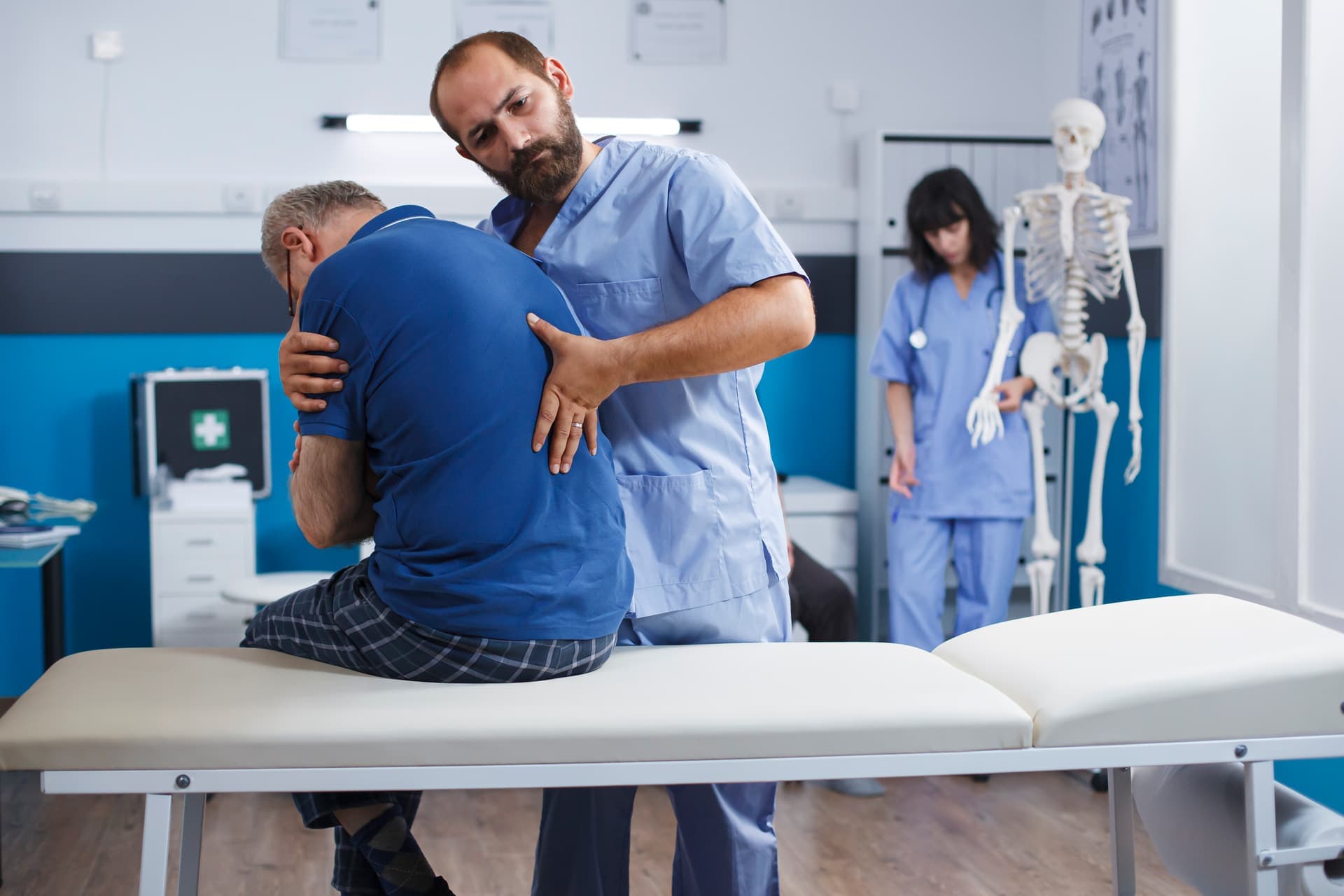
At Oakville Physiotherapy Centre, each cupping therapy treatment is provided by trained practitioners following an assessment of your symptoms, health history, and goals. We use physio cupping therapy as part of a broader rehabilitation plan when clinically appropriate, combining it with manual therapy, targeted exercise, and movement education rather than relying on cupping alone.
Cupping may be considered for athletes managing muscle tightness, office workers experiencing neck or upper-back tension, or patients with ongoing musculoskeletal discomfort. Your practitioner will explain the expected benefits, temporary skin marks, possible side effects, and whether the technique is suitable for you before treatment begins.
How Cupping Works on Your Tissues
Explore how cupping creates suction at the skin’s surface and may affect local tissues. Tap each tissue layer to learn more.
How Cupping Works on Tissue
Tap each layer to understand the physiological effects
Our Cupping Results
Evidence-informed outcomes from our cupping therapy programme
Patients report reduced pain after first session
Years of cupping therapy history worldwide
Athletes use cupping for performance recovery
Typical sessions for chronic conditions
Cupping Techniques We Use
Click any technique to explore its method, mechanism, and ideal clinical applications:
Fire Cupping
The ancient originalA flame briefly passes inside a glass cup to create a vacuum before placement on the skin. No fire touches the patient — the heat only creates suction. Fire cupping is revered for achieving the deepest suction and the strongest qi-moving and blood-circulating effects.
Best Used For:
- ✓Chronic back pain
- ✓Cold & flu recovery
- ✓Respiratory conditions
- ✓Deep muscle tension
- ✓Fatigue and lethargy
- ✓Poor circulation
What Happens During a Cupping Session
Step through our interactive guide to see exactly what happens from preparation to post-treatment care:
The Cupping Session — Step by Step
Step through the full cupping therapy process
The therapist cleanses and oils the treatment area. Oil reduces friction for gliding techniques and ensures an airtight seal for stationary cups. The patient is positioned prone for back treatments.
What Area Are We Treating?
Select your body region to see how cupping therapy specifically addresses conditions in that area:
Which Area Are You Treating?
Select a body region to see how cupping therapy addresses your specific concerns.
Benefits of Cupping Therapy
Hover over each card to explore the evidence-based benefits of cupping therapy:
Myofascial Release
Decompresses fascial layers that compression-based massage cannot access, restoring normal tissue glide.
Pain Reduction
Gate Control and endorphin release provide systemic and local analgesia lasting well beyond the session.
Improved Circulation
Powerful local hyperaemia flushes stagnant metabolic waste and delivers oxygen-rich blood to healing tissue.
Accelerated Recovery
Preferred by elite athletes for reducing DOMS and returning to training faster after intense physical exertion.
Stress & Anxiety Relief
Parasympathetic activation during treatment produces measurable reductions in cortisol and systemic tension.
Immune Stimulation
Flash cupping on the upper back stimulates immune cell production, historically used for respiratory illness recovery.
Scar Tissue Remodelling
Suction mobilises scar tissue and adhesions following surgery or injury, restoring pliable, functional tissue.
Better Sleep
Systemic relaxation response and pain reduction translate into dramatically improved sleep quality for many patients.
What to Expect at Your First Appointment
Every step of your cupping care is structured, transparent, and focused on your recovery. Click each step to expand:
Meet Your Cupping Therapy Team
Every cupping assessment and treatment is delivered by a registered physiotherapist or registered massage therapist with specialised training in cupping therapy techniques. Our team integrates both Eastern traditional wisdom and Western evidence-based practice — bringing you the best of both worlds in your recovery.
Begin Your Recovery Today
Book your cupping therapy assessment now. Our practitioners will identify the exact tissue restrictions driving your pain and begin treatment — on your very first visit.
Book Your Cupping Assessment