Manual Lymphatic Drainage Physiotherapy in Oakville
Persistent swelling, heaviness, tightness or puffiness especially after surgery, radiation or cancer treatment may be related to changes in lymphatic flow. At Oakville Physiotherapy Centre, trained therapists provide lymphatic drainage physiotherapy for lymphedema and other swelling-related concerns.
Treatment may include Manual Lymphatic Drainage (MLD) as part of Complete Decongestive Therapy (CDT), alongside compression, exercise, skin care and self-management education. These approaches can help manage swelling, discomfort and reduced mobility.
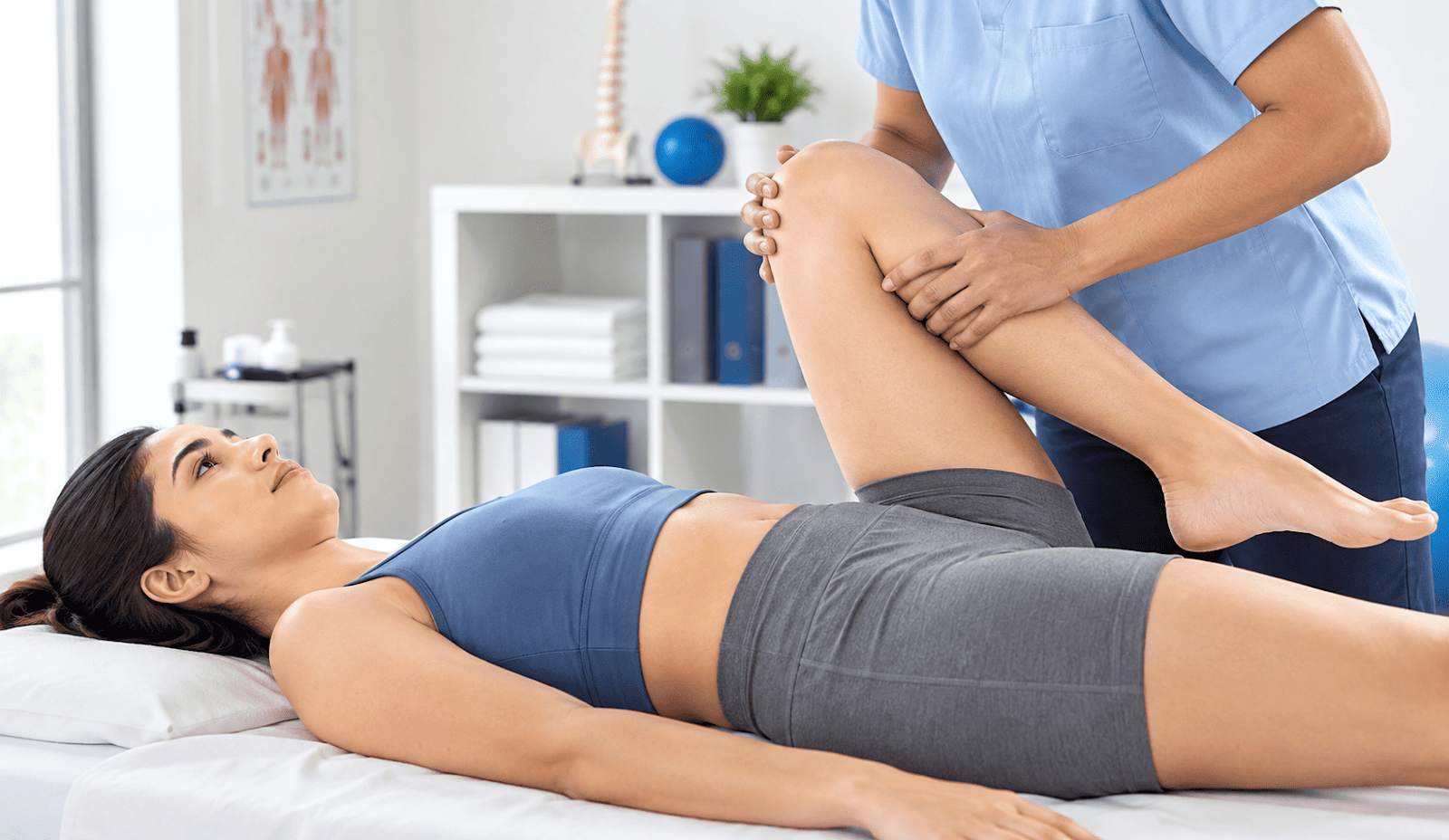
MLD uses gentle, rhythmic skin movements intended to guide fluid toward functioning lymphatic pathways. Every lymph drainage physiotherapy plan is personalised to your condition, health history and goals. Because not all swelling is caused by lymphatic dysfunction, treatment begins with an appropriate assessment.
The Science Behind Manual Lymphatic Drainage Physiotherapy
The lymphatic system has no central pump. It relies on lymph-vessel contractions, muscle movement and breathing to transport fluid. When surgery, radiation, injury or disease affects this network, fluid may accumulate and cause swelling or heaviness. Manual Lymphatic Drainage uses gentle, rhythmic skin movements to encourage fluid toward functioning pathways.
Supports Lymphatic Flow
Specialised skin-stretching techniques may help guide fluid around affected lymph nodes and vessels.
Helps Manage Oedema
When combined with compression and exercise, lymphatic drainage physiotherapy can help reduce swelling and improve comfort.
Supports Movement and Skin Health
Managing fluid buildup may ease tissue tightness, support mobility and reduce pressure on the skin.
Encourages Relaxation
The slow, gentle rhythm of treatment may promote relaxation and reduce perceived discomfort.
How Lymphatic Drainage Physiotherapy Works
- Skin is gently stretched using light, specialised movements
- Rhythmic strokes encourage fluid toward functioning lymphatic pathways
- Treatment usually begins near the trunk before moving along the affected area
- Techniques are adapted to your swelling pattern and medical history
- Compression may be included when clinically appropriate
- Therapeutic movement supports circulation and mobility
- Self-management techniques may be taught for use between visits
- Skin care guidance helps reduce irritation and infection risk
Conditions We Treat with Lymphatic Drainage Physiotherapy
Manual Lymphatic Drainage (MLD) and Complete Decongestive Therapy (CDT) may help manage lymphoedema and selected swelling-related conditions following an appropriate assessment:
- Primary lymphoedema
- Secondary lymphoedema after cancer treatment
- Post-surgical swelling, with medical clearance
- Chronic venous oedema
- Lipoedema-related swelling and discomfort
- Post-traumatic swelling
- Scar tissue and fibrosis associated with oedema
- Reduced mobility caused by persistent swelling
Are You a Good Candidate for Lymphatic Drainage Physiotherapy?
Lymph drainage physiotherapy may be appropriate following a professional assessment if you:
- Have diagnosed primary or secondary lymphoedema
- Experience swelling after cancer treatment
- Have persistent post-surgical swelling with medical clearance
- Experience chronic limb heaviness, tightness or reduced mobility
- Have lymphatic or chronic venous oedema
- Need support with compression, exercise and skin care
- Have tissue firmness or fibrosis associated with lymphoedema
- Experience recurring cellulitis after the active infection has resolved
Sudden swelling, redness, warmth, pain or shortness of breath requires prompt medical assessment before treatment.
What to Expect at Your First Lymphatic Drainage Appointment
Your first lymphatic drainage physiotherapy visit begins with a detailed assessment to confirm that treatment is safe and appropriate.
Comprehensive Health History
Your physiotherapist reviews your symptoms, medications, previous surgeries, cancer treatment and relevant medical conditions.
Swelling and Tissue Assessment
We assess the location and severity of swelling, skin condition, tissue texture, mobility and functional concerns. Baseline measurements may also be recorded.
Personalised Treatment Plan
Your plan may include Manual Lymphatic Drainage, compression guidance, exercise, skin care and self-management techniques. The recommended schedule depends on your condition and response.
First Treatment Session
If clinically appropriate, lymph drainage physiotherapy may begin during your first visit. Gentle, rhythmic movements are used to encourage fluid toward functioning lymphatic pathways. Treatment time and individual responses vary.
Why Choose Oakville Physiotherapy Centre for Lymphatic Drainage?
Effective lymphatic drainage physiotherapy requires skilled assessment, gentle technique and a comprehensive management plan. Our approach to lymph drainage physiotherapy includes:
- Therapists trained in MLD and Complete Decongestive Therapy
- Personalised, assessment-based treatment plans
- Compression bandaging and garment guidance when appropriate
- Collaboration with physicians and specialists when required
- Exercise, skin care and self-management education
- Private, one-on-one treatment sessions
- Evidence-informed care tailored to your condition
- Progress tracking through symptoms, function and measurements
MLD vs. Complete Decongestive Therapy: Which Do You Need?
Both approaches can support lymphoedema management, but they serve different purposes. Your physiotherapist will recommend the most appropriate option following an assessment.
Manual Lymphatic Drainage (MLD)
MLD is a gentle, hands-on technique using light, rhythmic skin movements to encourage fluid toward functioning lymphatic pathways. It may be used for selected swelling concerns or as one part of a broader lymphatic drainage physiotherapy plan.
Complete Decongestive Therapy (CDT)
CDT is a comprehensive approach to lymphoedema management that may combine MLD, compression, therapeutic exercise, skin care and self-management education. Care often includes an initial treatment phase followed by an ongoing maintenance plan.
Your recommendation will depend on the cause and severity of swelling, tissue condition, medical history and personal goals.
Ready to Reduce Swelling and Reclaim Your Quality of Life?
Don't let persistent lymphoedema or post-surgical swelling hold you back. Book your lymphatic drainage assessment today and take the first step toward lasting relief.
Book Your Lymphatic Drainage Assessment